
WJM News | Learn, Reflect, and Apply — Judy Wu Leads Benchmark Visit to Heiyun to Drive Lean and Standardized Management
To continuously enhance operational efficiency and management excellence, WJM has taken another important step toward lean and standardized operations. On July 2, 2025, WJM’s leader Judy Wu organized and led a management team visit to the benchmark enterprise Heiyun for on-site learning and in-depth review.
This visit focused on advanced practices in 5S management, visual management, space utilization, process optimization, and automation implementation. Based on WJM’s current operational status, clear and actionable directives were assigned to each department head.
The core message of this initiative:
Learning is only valuable when it leads to real change and execution.
I. Benchmarking Excellence: Key Takeaways from Heiyun
Through on-site observation and discussion, the team identified several standout practices:
- Highly visualized management systems for equipment, targets, and responsibilities
- Refined tool and equipment control, with independent and clear organization
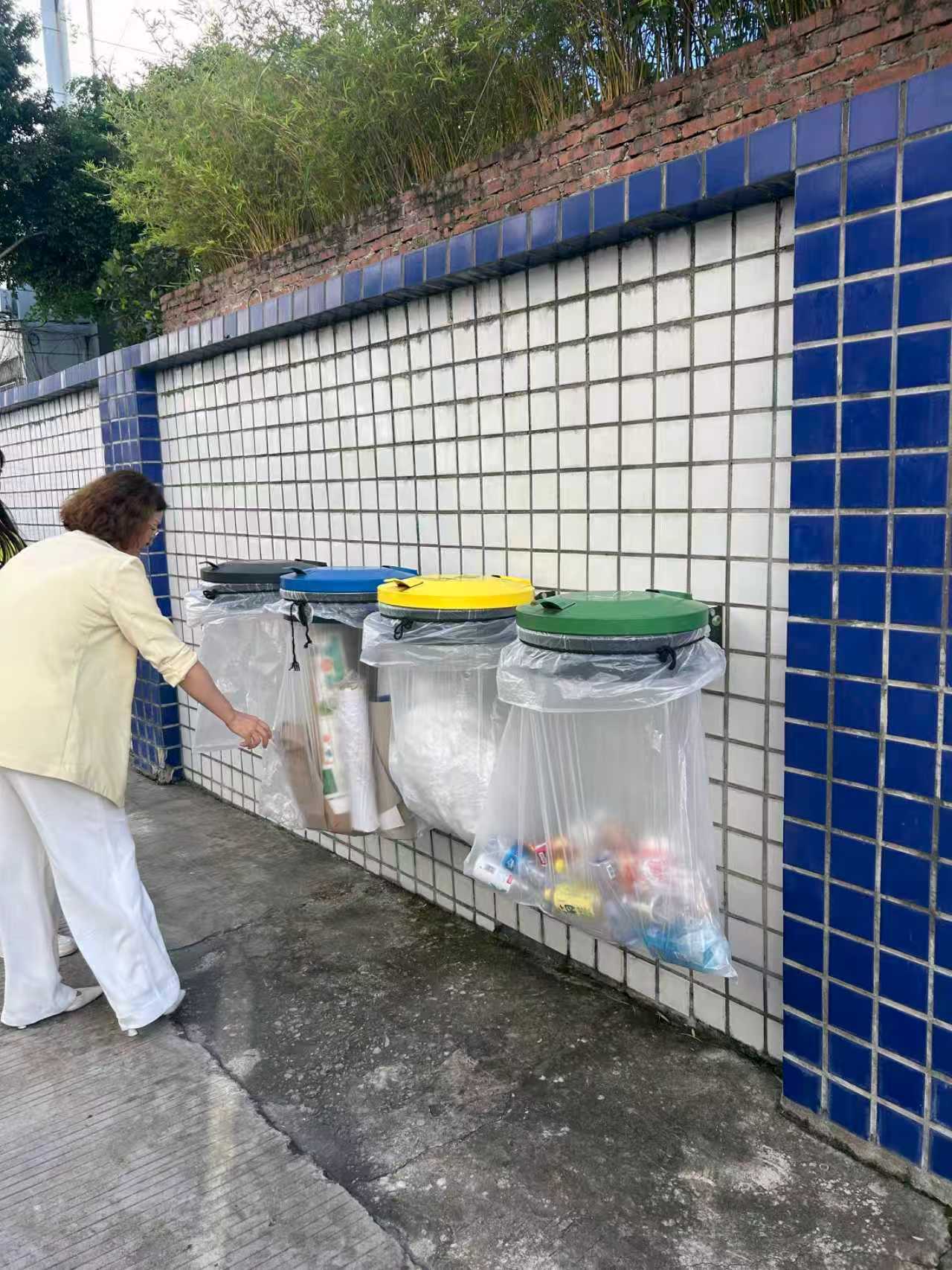
- Efficient space utilization, even in small details such as waste bins and stair areas
- Strong cultural visualization, aligned with specific job roles
- Lean process design, eliminating all non-value-added activities
II. Department-Level Action Plans
1. HR Director — Liping
Focus: Standardization and cultural visualization
- Define clear ownership by area, with real-time information updates
- Introduce color-coded target warning systems
- Improve user-friendly design, such as magnetic labels
- Immediate action: Implement 5S management in the cafeteria
2. Automotive Workshop Director — Shou Weimin
Focus: Standardization and unified workshop identity
- Enhance corridor transparency
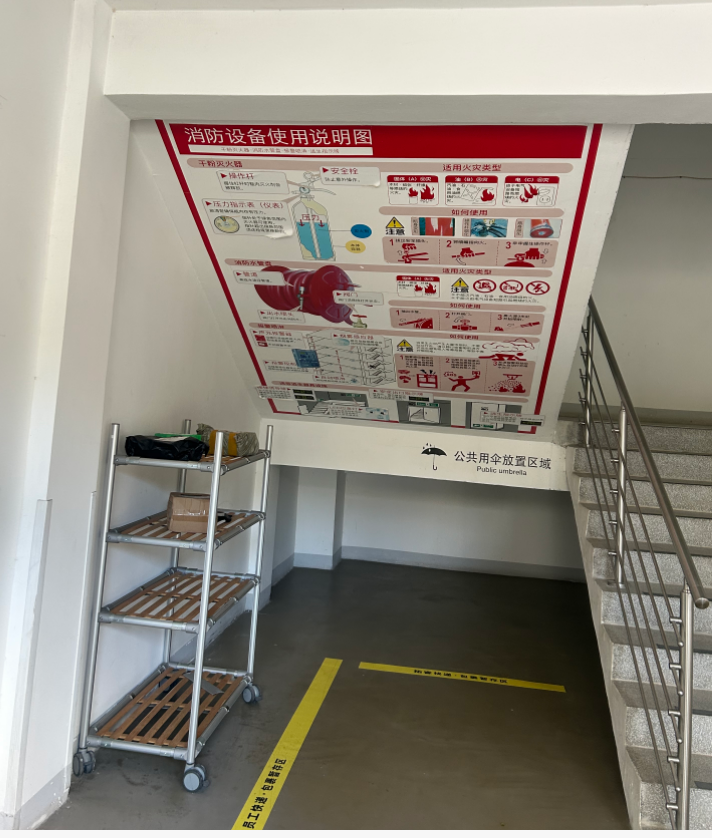
- Add height indicators for fire hydrants
- Implement magnetic signage systems across all areas
- Standardize specifications, colors, fonts, and design language of all signage
-
3. Head of Packaging Department — Wu Keshan
Focus: Reducing handling waste and optimizing workflow
- Standardize containers and carts after incoming materials
- Clearly separate finished goods warehouse and raw material warehouse
- Shift trimming processes earlier to the quality department for faster issue detection
- Optimize shipping processes (e.g., conveyor/sliding systems)
- Immediate action: Reorganize drawers and workspace after June orders are completed
4. Quality Supervisor — Xiao Lili
Focus: Problem visibility and self-resolution capability
- Build a visual display system for defects and solutions
- Enable employees to resolve issues independently
- Reduce time spent locating samples
- Continuously identify and improve workshop quality gaps
5. Factory Director — Ye Pingfeng
Focus: Space utilization and on-site improvements
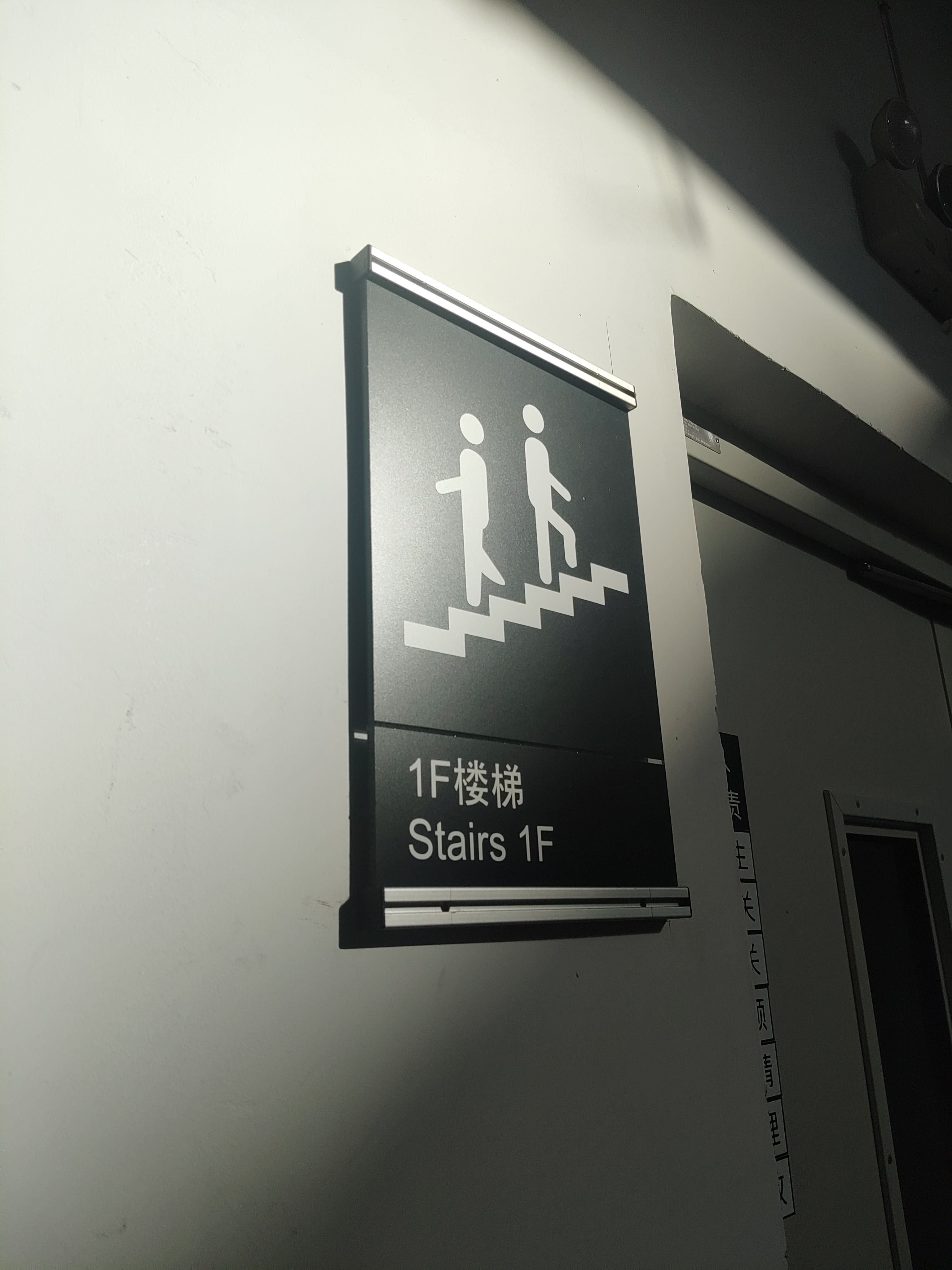
- Enlarge staircase signage for better visibility
- Utilize empty stairwell spaces for both display and communication
- Optimize restroom layout with clear signage and numbering system
- Immediate action: Introduce wheeled carts to reduce handling effort
6. Production Director — Yuan Renxi
Focus: Systematic efficiency and cost optimization
Key insights:
- The environment determines product quality
- The environment determines efficiency
- Visualization reduces hidden risks
Key actions:
- Minimize time spent searching for tools
- Gradually introduce mold automation
- Simplify unnecessary development processes
Strategic direction:
- Advance standardization (people follow documented processes, with visual guidance)
- Promote automation implementation
- Establish a monthly external learning mechanism
Immediate action:
- Build a standardized system with visual-based management
7. Warehouse Head — Lei Liang
Focus: 5S and space optimization
- Reinforce that 5S represents the company’s first impression
- Upgrade semi-finished product storage to drawer-style systems
- Remove unused inventory to free up space
- Redesign floor markings
- Categorize and zone packaging materials with clear standards
III. From Learning to Action: Driving Continuous Improvement
This benchmarking visit is not just a study tour—it marks the beginning of a systematic management upgrade at WJM. Judy Wu emphasized in her conclusion:
“Every learning must translate into action, and every action must deliver measurable results.”
Moving forward, WJM will focus on three core directions:
- Standardization — ensuring processes are replicable and traceable
- Visualization — making management transparent and efficient
- Automation — improving efficiency while reducing costs
At the same time, WJM will establish a continuous mechanism of “Go out, learn, and apply”, ensuring ongoing growth and long-term competitiveness.


