
WJM Hosts “AI Application: Practical Prompt Engineering Training” to Empower Digital Transformation
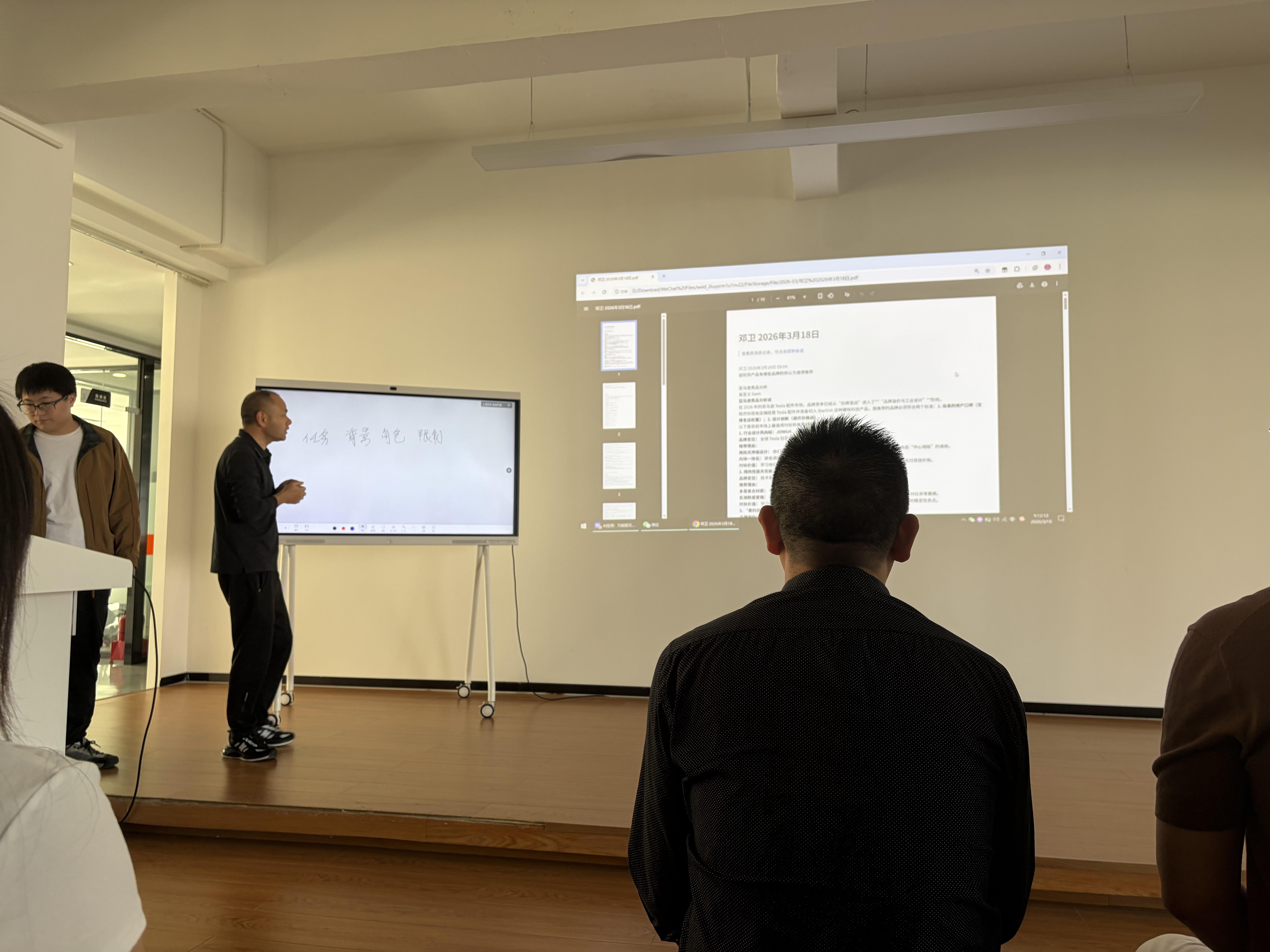
On March 18, 2026, WJM successfully organized an internal training session titled “AI Application: Practical Prompt Engineering Training” at its Shenzhen headquarters. The session was led by AI research analyst Ken Ming and brought together employees from multiple departments to explore how artificial intelligence can enhance productivity, innovation, and business efficiency across the company.
As a leading manufacturer specializing in silicone and plastic components—particularly silicone protective cases for POS terminals and automotive accessories(Automotive Silicone Storage, Non-Slip Silicone Interior Liner,Center Console Silicone Mat)—WJM continues to invest in digital capabilities to strengthen its competitive edge in global markets.
Understanding AI Prompt Engineering
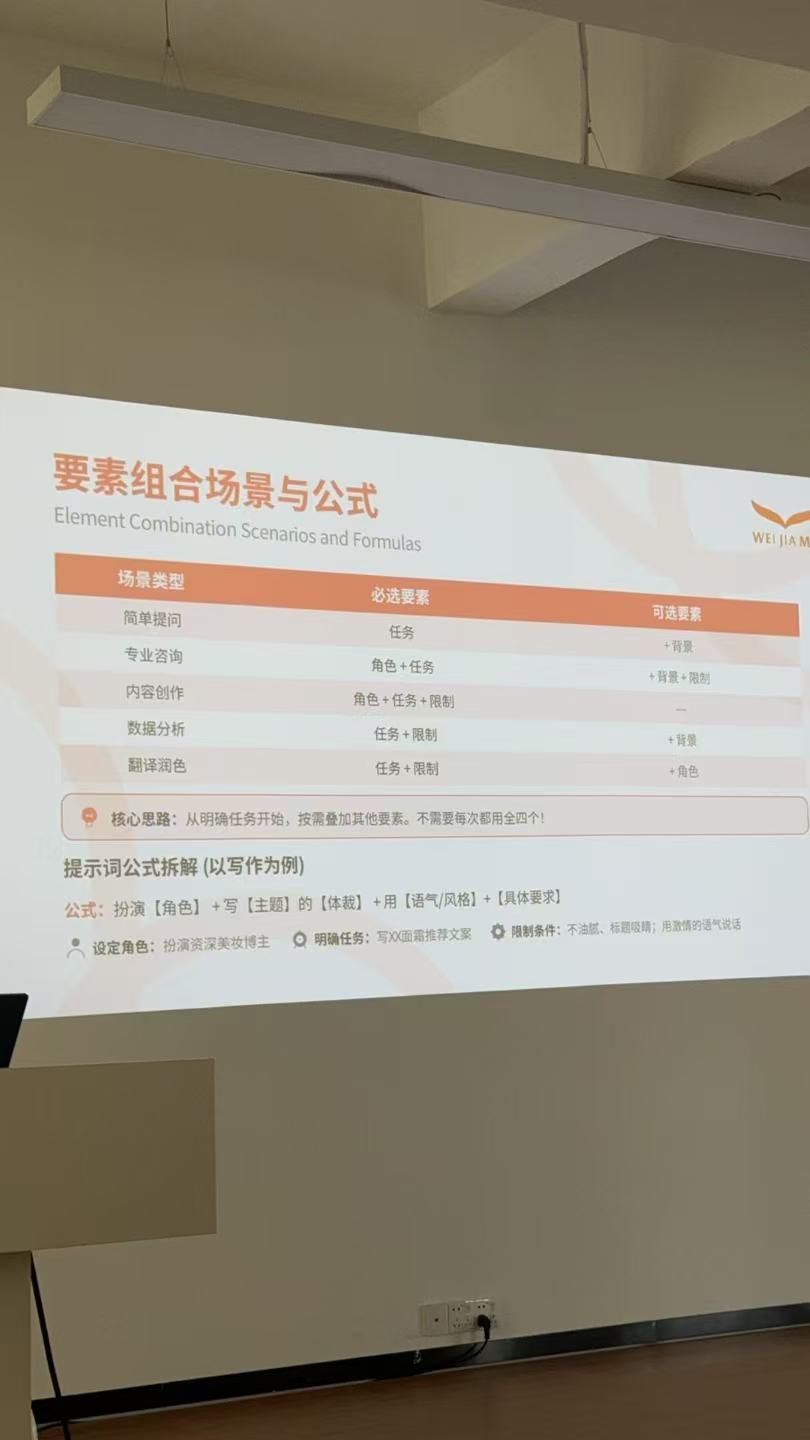
The training began with a clear introduction to AI prompt engineering, focusing on how to effectively communicate with AI systems through structured instructions and queries. Ken Ming explained that well-designed prompts are the foundation for achieving accurate and high-quality AI outputs.
A key highlight of the session was the explanation of the four essential elements of effective prompts:
-
Defining clear tasks
-
Providing relevant background information
-
Assigning roles to the AI
-
Setting specific constraints
These principles equipped participants with a practical framework to improve their daily use of AI tools.
From Theory to Real-World Applications
The session emphasized hands-on learning through real-world scenarios. In general business use cases, employees learned how AI can streamline routine tasks such as content creation, data organization, and communication.
More importantly, a dedicated segment focused on product design applications, directly aligned with WJM’s core business. Using silicone protective cases as an example, Ken Ming demonstrated how AI can assist in concept development, structural optimization, and rapid iteration. This approach enables faster product development cycles while maintaining high standards of quality and customization.
Advanced Techniques for Better AI Interaction
Beyond foundational knowledge, the training also introduced advanced techniques to help employees refine their interaction with AI systems. By improving prompt clarity and structure, users can significantly enhance the relevance and precision of AI-generated outputs—making AI a more reliable tool in both technical and creative workflows.
E-Commerce Applications: Practical Insights
Deng Wei, Manager of the E-commerce Department, supplemented the session with practical insights into AI applications in digital commerce. He shared real-world use cases across platforms such as Amazon, Douyin, and TikTok, highlighting how AI can optimize product listings, generate marketing content, and improve customer engagement.
He emphasized that clearly defined instructions and intent are critical when using AI to position WJM’s Topfit automotive product line, including sunshades, silicone interior accessories, and related automotive components. With effective AI usage, the company can better target international markets and enhance brand visibility.
Leadership Support and Future Outlook
Mr. Zhong Xiaoping, General Manager of WJM, expressed strong support for the training initiative. He recognized the growing importance of AI in modern manufacturing and encouraged employees to actively participate in future learning opportunities.
“AI is not just a tool—it is a key driver of innovation and efficiency,” he noted. “We must continuously strengthen our digital capabilities to remain competitive in the global market.”
Driving Innovation Through AI Integration
This training marks another step in WJM’s ongoing efforts to integrate advanced technologies into its operations. By combining AI with its strong engineering and manufacturing expertise, WJM aims to accelerate innovation in silicone and plastic product development, particularly in POS protective solutions and automotive components.
Looking ahead, WJM will continue to explore AI-driven solutions to enhance design efficiency, optimize production processes, and deliver greater value to its global customers.


